









Sheet Metal Materials Guide
Are you looking for the best materials to use in your sheet metal fabrication projects? Look no further! Our Sheet Metal Fabrication Materials Guide will provide you with comprehensive information on all of the different types of metals and plastics that are available, their properties and advantages, as well as cost considerations. This guide is a must-have resource for anyone who wants to ensure they're using the right material for their project while also keeping costs down. Get your copy today and start fabricating with confidence!
Custom Sheet Metal Fabrication Materials
Aluminium
Aluminium ist ein sehr dehnbares Metall, das sich leicht bearbeiten lässt. Das Material hat ein gutes Verhältnis von Festigkeit zu Gewicht und ist in vielen Ausführungen für eine Vielzahl von Anwendungen erhältlich.
- Preis: $$
- Vorlaufzeit: < 10 Tage
- Wanddicke: 0,75 mm
- Toleranzen:±0,125mm (±0,005″)
- Maximale Teilegröße: 200 x 80 x 100 cm
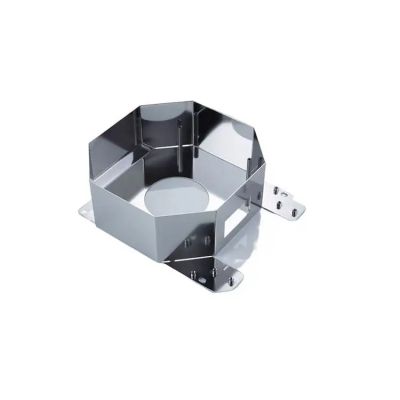
Kupfer
Kupfer hat eine ausgezeichnete Wärmeleitfähigkeit, elektrische Leitfähigkeit und Plastizität. Außerdem ist es sehr dehnbar, korrosionsbeständig und lässt sich leicht schweißen.
- Preis: $$$
- Vorlaufzeit: < 10 Tage
- Wanddicke: 0,75 mm
- Toleranzen: ±0,125mm (±0,005″)
- Maximale Teilegröße: 200 x 80 x 100 cm
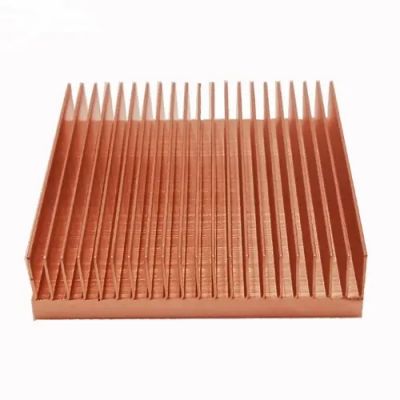
Messing
Messing hat wünschenswerte Eigenschaften für eine Reihe von Anwendungen. Es hat eine geringe Reibung, eine ausgezeichnete elektrische Leitfähigkeit und ein goldenes (Messing-)Aussehen.
- Preis: $$$
- Vorlaufzeit: < 10 Tage
- Wanddicke: 0,75 mm
- Toleranzen: ±0,125mm (±0,005″)
- Maximale Teilegröße: 200 x 80 x 100 cm
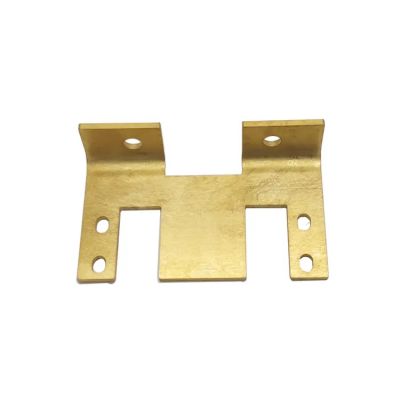
Rostfreier Stahl
Nichtrostender Stahl ist ein kohlenstoffarmer Stahl, der viele Eigenschaften aufweist, die für industrielle Anwendungen erwünscht sind. Rostfreier Stahl enthält in der Regel mindestens 10% Chrom nach Gewicht.
- Preis: $$
- Vorlaufzeit: < 10 Tage
- Wanddicke: 0,75 mm
- Toleranzen: ±0,125mm (±0,005″)
- Maximale Teilegröße:200 x 80 x 100 cm
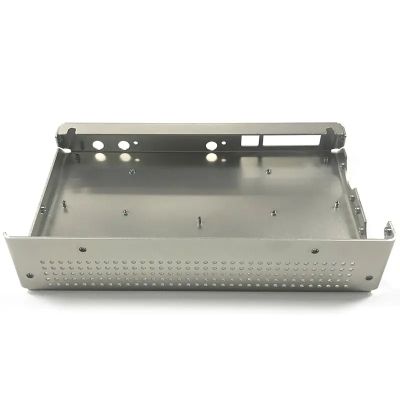
Steel
Steel parts can improve the performance of the product, enhance its tensile capacity, easy to form, and not easy to deform. It is widely used in automobile, electronics, construction and other industries.
- Preis: $$$$$
- Vorlaufzeit: < 10 Tage
- Wanddicke: 0,75 mm
- Toleranzen: ±0,125mm (±0,005″)
- Maximale Teilegröße: 200 x 80 x 100 cm
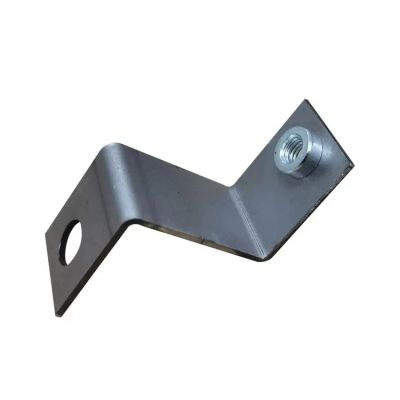
Custom Metal Fabrication Parts

Durability
Sheet metal parts are highly durable and can withstand extreme temperatures, pressure, and wear over time. This makes them ideal for applications such as automotive components or industrial machinery that require long-term performance.

Cost Efficiency
Custom sheet metal parts are often cheaper than other alternatives due to their low material costs and the fact that they typically require fewer manufacturing operations compared to machined or 3D printed components.

Versatility
Sheet metal fabrication offers a wide variety of design possibilities due to its ability to be formed into complex shapes with intricate details using processes such as laser cutting, stamping, bending, and welding. This makes it ideal for creating custom parts with unique features.
|
|
Try Yangzheng Now!
Yangzheng Engineer Support Team - Real human quotes are more accurate than software quotes
|

Precision Sheet Metal
Precision sheet metal fabrication is the process of shaping and cutting sheet metal into complex shapes with exact dimensions. It typically involves processes such as laser cutting, stamping, bending, and welding to create parts with intricate details that are used in a variety of industries including automotive, aerospace, medical device manufacturing and more. Precision sheet metal fabrication can also be done using computer numerical control (CNC) machines which allow for greater accuracy and consistency throughout the production process.
Proper Use of Sheet Metal Gauges
Sheet metal gauges are used to determine the thickness of sheet metal in relation to its weight. The higher the gauge number, the thinner and lighter the material will be. Common gauges for aluminum include 0.032” (20 ga.), 0.040” (18 ga.) and 0.050” (16 ga.). For steel, common gauges range from 7-12; with 12 being the thinnest and most lightweight option available. Knowing which gauge is best suited for a particular application can help save time and money by ensuring that only materials with appropriate properties are used while also avoiding unnecessary waste due to over-ordering or under-ordering of materials.
Yangzheng Precision Sheet Metal Shop provides online engineering customer support for your parts, 2D and 3D drawing design, and manufacturing questions. Assist in reviewing project plans; this includes case-by-case suggestions to help you reduce costs early on in the design process. online custom sheet metal parts, making it an excellent choice for parts prototype design and low to high-volume production runs, instant sheet metal quotes, on-time delivery, 100+ materials and 20+ surface finishes for tolerances down to 0.01mm.
Precision Sheet Metal Quote
People Also Ask
How do you select materials in sheet metal fabrication?
1. Strength: The strength of the material will determine how much force it can withstand before breaking or deforming. Tensile strength properties of aluminum VS stainless steel
Aluminum has a tensile strength of about 60,000 psi (pounds per square inch), while stainless steel has a tensile strength of about 80,000 psi. Both materials are strong and durable, but aluminum is lighter in weight and more malleable than stainless steel. Aluminum also offers better corrosion resistance than stainless steel in most environments. However, if the application requires superior mechanical properties or increased heat resistance then stainless steel may be the better choice. What are the different types of sheet metal material?
The most common types of sheet metal are cold rolled steel, hot rolled steel, galvanized steel, stainless steel, aluminum alloy and copper. Each type has its own unique properties that make it better suited for certain applications than others. For example, cold rolled steel is more malleable than hot rolled and offers superior surface finish, while galvanized is corrosion-resistant and ideal for outdoor use. Stainless steel provides excellent heat resistance but is expensive compared to other materials; meanwhile aluminum is lightweight yet strong and can be used in many different industries. Is there any way of homogeneously coloring sheet metal?
Yes, there are several ways to homogeneously color sheet metal. The most common methods include powder coating, anodizing and painting. |